
By Thierry Hasse, Chief Investment Officer
Elevage Partners | June 15, 2026
The Largest IPO in History — and What It Reveals
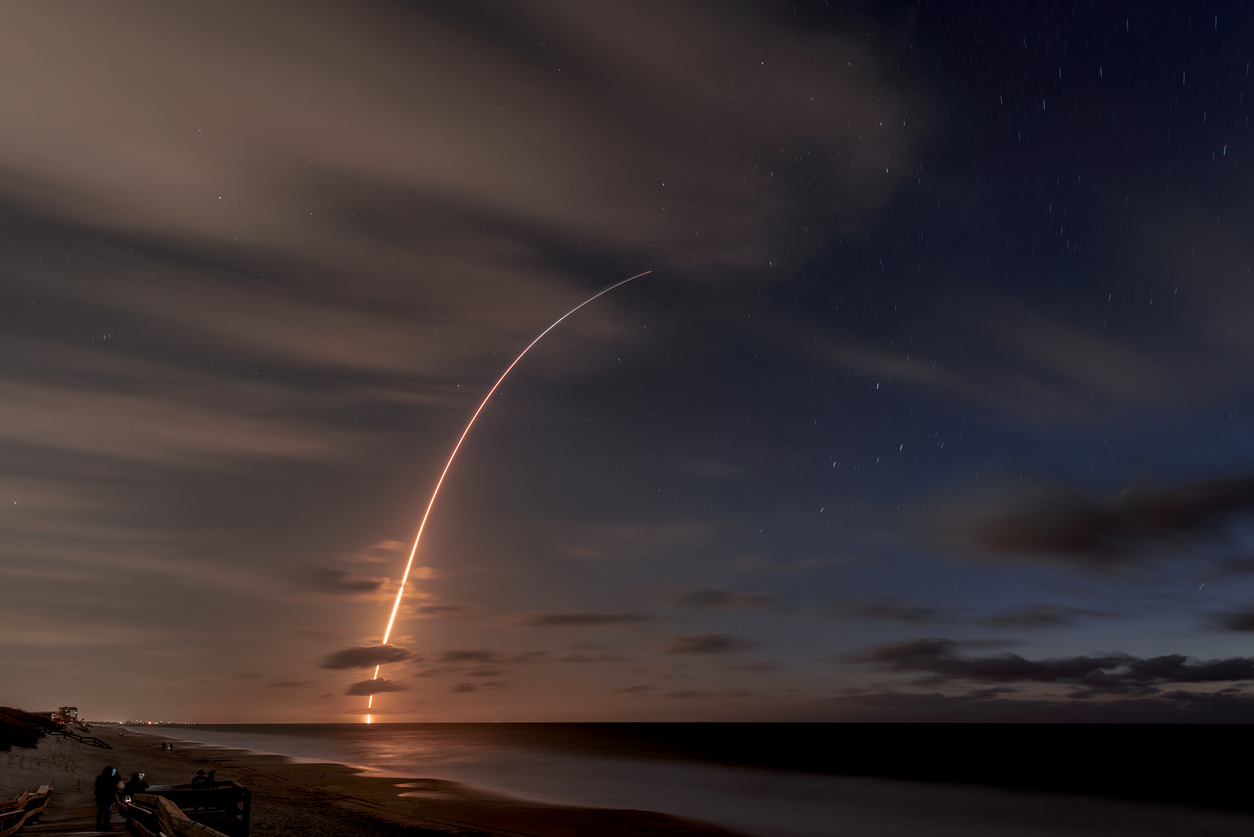
SpaceX listed on the Nasdaq on Thursday under the ticker SPCX, raising $75 billion at an offer price of $135 per share, the largest initial public offering on record, more than triple the size of Saudi Aramco’s 2019 debut. By the end of its first trading session, the stock had gained 19%, pushing the implied valuation above $2 trillion. The execution was clean: retail investors, invited to a dedicated roadshow event, participated alongside institutions, and over 200 analysts across 21 banks covered the offering. For a company that launched a rocket from Florida roughly an hour before the opening bell, the symbolism was unmistakable: SpaceX is now public, and American dominance in commercial space, satellite infrastructure, and orbital computing carries a price tag.

The Elusive Peace — Energy Markets Waiting for Resolution
Energy markets have spent the better part of 2026 swinging between hope and disruption. The backdrop: a U.S.-Iran conflict that escalated earlier this year and placed Iran’s grip on the Strait of Hormuz at the center of global supply anxiety. Brent crude touched $115 per barrel at the peak of the standoff; ceasefire signals in April briefly pulled it back toward $92. By late May, fresh U.S. military strikes reignited uncertainty, lifting prices toward $99 before negotiations resumed. Brent trades near $99, with WTI around $91 — levels that, if sustained, represent a meaningful tax on every consumer and every business that moves goods.
President Donald Trump announced a framework agreement with Iran on Sunday that would reopen the Strait of Hormuz and establish a 60-day negotiating period to address unresolved issues, including Iran’s nuclear program and sanctions relief. If successfully implemented, the agreement could ease pressure on global energy markets and lower oil prices from current levels, although the magnitude and durability of any decline remain uncertain.
The challenge is that the path to a permanent solution is unlikely to be smooth. Each negotiating session has been accompanied by military posturing, and Iran’s leverage (its ability to disrupt roughly 20% of global seaborne oil) is not a bargaining chip it will surrender cheaply. Companies with significant logistics exposure, and any client whose spending plan depends on a specific commodity price, should treat the current range as a floor rather than a ceiling.
Volatility in energy markets is likely to persist for the foreseeable future, regardless of how the diplomatic calendar unfolds. The world economy has shown resilience in the face of this energy supply shock, but that resilience has its limits: many economists now warn that sustained pressure at current energy price levels risks tipping an already strained global economy into recession.
The Warsh Era Begins — June 16-17 Could Move Bond Markets
This week, Kevin Warsh chairs his first Federal Open Market Committee meeting since being sworn in as the 17th Federal Reserve chair on May 22. His confirmation was the most divided in the modern era — a 54–45 Senate vote — and he arrives at a Fed that is itself divided, with four FOMC members having dissented at the April meeting, the highest internal fracture since 1992. The committee is not expected to move rates on Wednesday. That is not the story. The story is what Warsh signals about the framework he intends to build.
What bond markets are watching closely is whether Warsh formally abandons the easing bias that has defined Fed communication since early 2024. In our assessment, a shift to an explicitly neutral stance, even without a rate change, would reprice the long end of the Treasury curve.
Inflation remains sticky: the April CPI rose 3.8% year over year, a three-year high, with energy price volatility clouding the path back toward the 2% target. The CME FedWatch tool shows less than 3% market probability of a cut at any remaining 2026 meeting, and some traders are now pricing in a non-trivial chance of a hike by September. Warsh called for “regime change” at the Fed before his confirmation, and his first press conference will give investors their first real read on what that means in practice. The dot plot, the tone of the statement, and the way Warsh manages the room will be scrutinized by fixed income investors worldwide. Surprises here do not stay domestic: a hawkish signal from a new chair, perceived as politically aligned and untested, could put pressure on government bond markets globally. Uncertainty is the right posture heading into Wednesday’s close.
Navigating the Quandary
Three themes, one difficult landscape. Equity markets are pricing a brilliant future (SpaceX at $2 trillion, a parade of AI mega-listings on the horizon) while the underlying fundamentals demand patience and discipline. Energy markets are suspended between a peace deal that could have staying power or unravel. Either way, it will reshape the inflation outlook. And the Federal Reserve is entering a new era under a chair who has promised change, with bond markets on pins and needles waiting to learn what that means in practice. Separately, each story is consequential. Together, they define the assessment every investor must make right now: how much of what markets are pricing reflects what the world will actually deliver.